What a Radon System Warranty Covers and Why It Matters
Understanding Your Radon System Warranty Before You Buy
When you invest in a radon mitigation system for your home, you are making a long-term commitment to your family's health. The system itself is designed to run continuously, year after year, to keep radon levels low. That kind of constant operation puts stress on mechanical parts. So before you sign off on any installation, you need to know exactly what the radon system warranty covers and what it leaves out. I have seen too many homeowners assume that a warranty means everything is protected, only to learn the hard way that certain components are excluded.
In St. Louis, where radon levels can vary significantly from one neighborhood to the next, a properly installed system is essential. But even the best system installation can face issues down the road. A clear warranty gives you peace of mind and helps you budget for future system maintenance. Let me walk through the key parts of a typical warranty and what you should look for.
The Parts That Are Usually Covered
Most reputable manufacturers, like RadonAway, offer a fan warranty that covers the main unit for a set period, often five years. The fan is the heart of an active soil depressurization system. It creates the vacuum that pulls radon-laden soil gas from beneath your foundation and vents it safely above the roofline. If that fan fails, your radon levels will climb quickly. A good fan warranty covers defects in materials or workmanship, and sometimes includes a replacement unit. But read the fine print: shipping costs and labor to swap the fan are often your responsibility.
Beyond the fan, a comprehensive radon system warranty might also cover the manometer. That is the little gauge that shows whether your system is pulling a vacuum. Some warranties include the manometer for a year or two. If the gauge gets stuck or breaks, you want it replaced without hassle. I have seen homeowners ignore a broken manometer for months, not realizing their system stopped working. That is a preventable problem if your warranty covers that part.
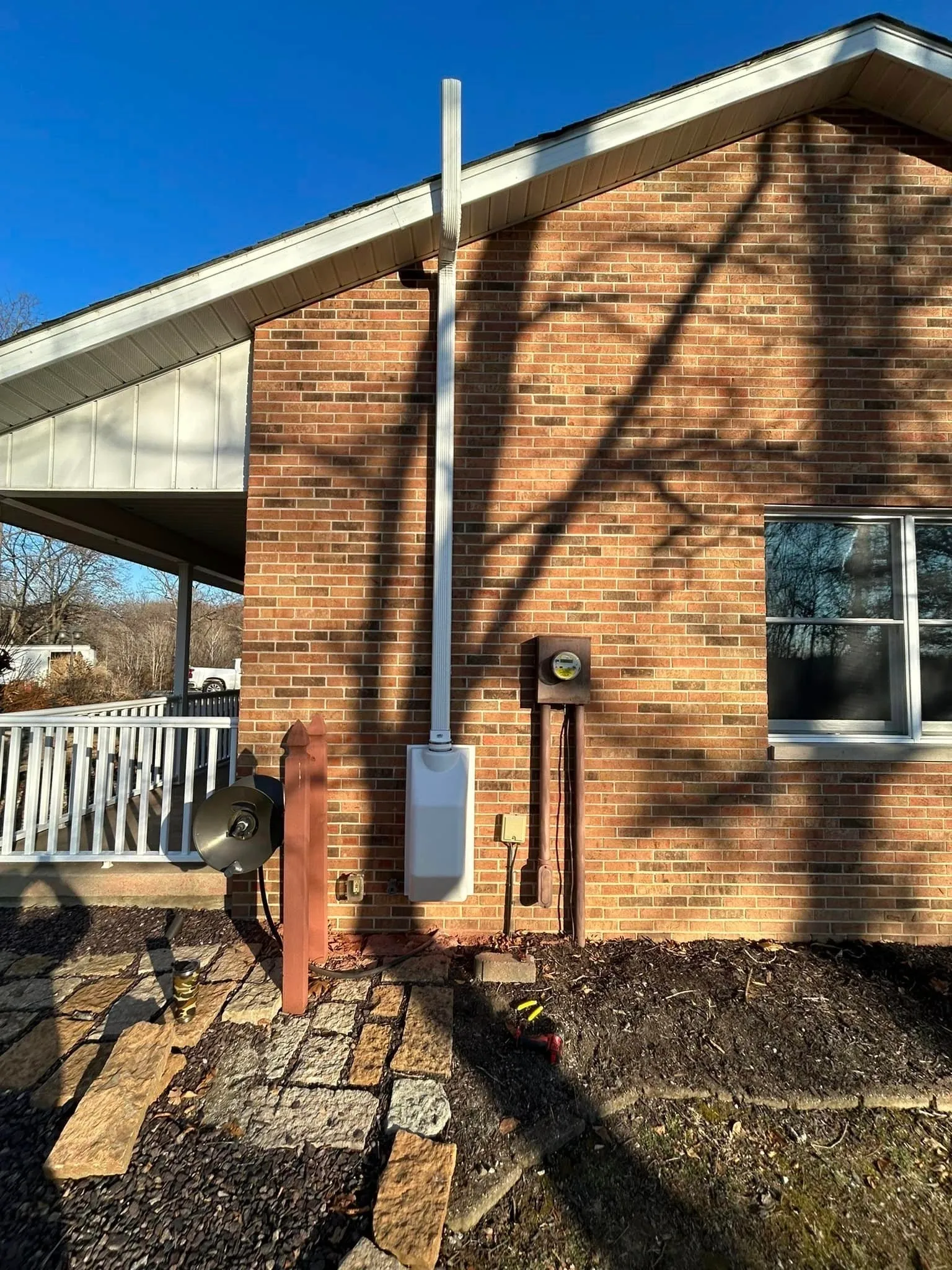
Other components like the PVC pipe, suction pit, and sealant are generally not covered by the manufacturer warranty because they are considered durable goods. But a good installer should stand behind their work. Air Sense Environmental, for example, offers a workmanship warranty on the system installation itself, covering leaks, loose connections, or sealant failures for a year or more. That is separate from the manufacturer's fan warranty, but just as important.
What Is Usually Excluded
Here is where many homeowners get tripped up. A standard radon system warranty typically does not cover cosmetic covers or the electrostatic filter if your system includes one. Cosmetic covers are the plastic or metal housings that hide the pipe inside your garage or basement. They can crack or yellow over time, but manufacturers treat them as non-functional parts. Similarly, an electrostatic filter might need replacement every few years, and that cost is yours to bear.
Another common exclusion is damage caused by rodents or pests. In St. Louis, critters like squirrels and mice sometimes chew through PVC vent pipes or nest inside the system. No warranty I know of covers animal damage. That is where regular system maintenance comes in. You should inspect your outdoor vent pipe at least twice a year for blockages or chew marks. A simple wire mesh guard can prevent most problems.
The warranty also does not cover changes in your home's foundation or soil conditions. If you add an addition, remodel the basement, or change the grading around your house, the radon system's performance can shift. That is not a defect in the system; it is a change in the environment. Post-installation verification, such as a follow-up radon test, will tell you if levels have changed, but the warranty will not pay for system modifications.
Why Installer Certification Matters
One detail that directly affects your radon system warranty is who installs the system. Many manufacturer warranties, including those from RadonAway, require that the system be installed by a certified professional. If you try to install it yourself or hire someone without proper installer certification, the warranty will be void. That is not a trick; it is a legitimate requirement. A certified installer knows how to create a proper sub-slab depressurization system, where to place the suction pit, and how to seal every joint so the system works efficiently.
An experienced installer also ensures that the manometer reads correctly from day one and that the system is balanced. They will perform a post-installation verification, usually with a continuous radon monitor, to confirm levels are below the EPA action guideline of 4 pCi/L. That verification is not part of the warranty, but it is a critical step that protects your investment. Without it, you have no proof the system actually works.
How to Make a Claim
If something goes wrong, the first step is to contact the installer, not the manufacturer. Most reputable companies like Air Sense Environmental have a direct line for warranty claims. They will diagnose the issue and determine whether it falls under the fan warranty or their workmanship warranty. If it is a fan problem, they will help you file the claim with the manufacturer. Keep your original invoice and the model number handy. Some manufacturers require proof of purchase and the serial number.
The process is usually straightforward, but timing matters. If you wait too long after noticing a problem, you might miss the warranty window. I recommend checking your manometer reading monthly. If the needle drops to zero, call your installer right away. A quick response can save you from months of elevated radon exposure.
Warranty vs. System Maintenance
A warranty is not a substitute for regular system maintenance. Even the best radon system warranty covers only defects and premature failures. It does not cover normal wear and tear. For example, the fan bearings will eventually wear out after five to seven years of continuous operation. That is expected, not a defect. Plan to replace the fan every seven to ten years as part of system maintenance.
You should also keep the outdoor vent clear of debris, snow, and bird nests. Check the sealant around the suction pit entry point every year. If you see cracks, reapply a good quality sealant. And if you have an electrostatic filter, clean or replace it according to the manufacturer's schedule. These small tasks extend the life of your system and reduce the chance of an expensive repair.
Final Thoughts on the Radon System Warranty
Before you choose a radon mitigation company, ask to see their standard radon system warranty in writing. Compare what is covered between different installers and manufacturers. A longer fan warranty might seem better, but if the installer's workmanship warranty is only 90 days, that is a red flag. Look for a balance: at least a five-year fan warranty and a one-year workmanship warranty from a certified installer.
In St. Louis, where radon is a real concern, a properly installed system backed by a solid warranty gives you confidence that your home will stay safe. Radon testing after installation confirms the system is working, and regular maintenance keeps it that way. Understanding your radon system warranty before you need it is the smartest move you can make.